Aquaculture Feed Additives for Shrimp, Tilapia & Trout
VeritasVet supports fish and shrimp producers with nutritional strategies designed to improve feed utilization, water stability and production consistency under intensive farming conditions.
Our solutions focus on enhancing nutrient digestibility, stabilizing gut microbiota and reducing metabolic stress throughout the production cycle. Particular attention is given to improving feed conversion ratio, supporting immunity and limiting the impact of mycotoxins and raw material variability.
By optimizing digestion and nutrient absorption, our approach contributes to better growth rates, improved survival and more stable water quality. This helps producers maintain predictable performance while controlling feeding costs and environmental pressure.
Our technical team evaluates each farming condition — species, growth stage and production system — to recommend the most efficient and economically relevant nutritional program adapted to your operation.
Have questions about aquaculture feed additives? Our technical team responds within 1 business day.
Aquaculture Feed Challenges in Warm Water Species
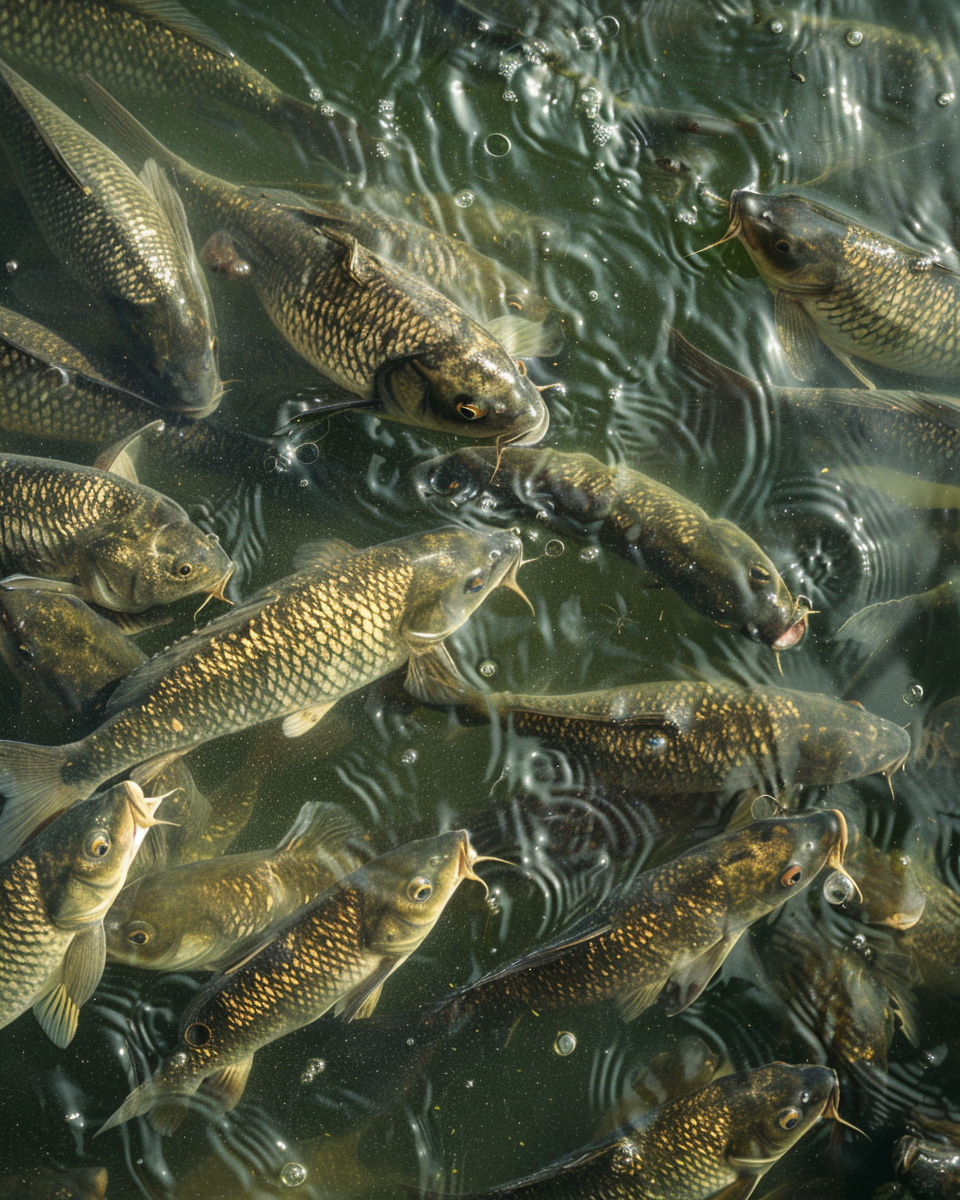
Warm water species including tilapia, catfish, and carps represent the fastest-growing sector of global aquaculture, yet these operations face unique nutritional challenges that directly impact profitability. Water temperature profoundly influences metabolic rate, digestion efficiency, and nutrient requirements. At optimal temperatures, these species exhibit rapid growth, but even modest temperature increases can disrupt digestive enzyme activity and alter feed intake patterns in ways that compromise feed conversion.
Protein nutrition presents particular complexity in warm water species. These fish have relatively high protein requirements, but excess dietary protein increases ammonia excretion, loading the aquatic environment with nitrogenous waste products. Managing this balance requires precise amino acid profiling, appropriate energy-to-protein ratios, and strategic use of feed additives that enhance protein digestibility without contributing to water quality degradation. VersaAcid Liquid can be applied in immersion baths to reduce pathogenic bacterial load on fish skin and gills, supporting respiratory function during periods of elevated water temperature.
Gut Health and Water Quality in Tilapia and Catfish
Intestinal health in aquaculture is inseparable from water quality management — the gastrointestinal tract of fish exists in direct contact with an aquatic environment that can harbor pathogenic bacteria, harmful parasites, and deteriorating chemical parameters. When gut epithelium becomes inflamed or damaged, nutrient absorption declines, and partially digested material contributes to organic loading in the pond or tank system. This creates a feedback loop where poor gut health accelerates water quality decline, which in turn exacerbates gut health problems.
Producers managing tilapia and catfish in intensive systems benefit from feed additives that support both intestinal function and environmental stability. GuarBind improves pellet water stability, reducing nutrient leaching into the water column and ensuring that added functional ingredients reach the target site in the intestinal tract. ToxyFix Plus addresses mycotoxin risks in aquafeed ingredients, protecting hepatic function and supporting immune competence in species that rely heavily on innate immunity rather than adaptive immune responses.
For comprehensive guidance on aquafeed innovation, see our article on aquaculture feed innovation.
Mycotoxin Risks in Aquafeed Ingredients
Aquafeed formulations rely heavily on plant-based ingredients that are susceptible to mycotoxin contamination — corn, soybean meal, wheat bran, and rice bran all present varying risk profiles depending on origin, storage conditions, and processing. Unlike terrestrial livestock, fish are typically fed in environments where uneaten feed decomposes rapidly, creating conditions for secondary contamination and water quality degradation. Mycotoxins that are not absorbed in the intestinal tract are excreted into the water, potentially affecting water chemistry and creating selection pressure for resistant microbial populations.
Aflatoxin contamination in aquafeed ingredients poses particular concern because fish accumulate aflatoxin B1 in edible muscle tissue at ratios far exceeding those reported in other protein sources, creating food safety concerns alongside animal health impacts. ToxyFix, our clay-based mycotoxin binder, adsorbs aflatoxin B1 in the intestinal tract to limit uptake and tissue residues. Chronic low-level exposure to DON and fumonisins compromises growth performance without producing obvious clinical signs, meaning economic losses can occur silently across multiple production cycles. VersaMold helps maintain feed quality during storage by reducing mold proliferation and mycotoxin synthesis in finished feeds and raw materials.
Our technical article on mycotoxins and the enteric nervous system discusses research on how mycotoxins affect gut nerve function, which has direct relevance for fish given their simple gut architecture and reliance on gut motility for digestion efficiency.
Feed Stability and Pellet Quality in Aquaculture
Pellet durability and water stability represent critical quality parameters in aquafeed manufacturing. Unlike terrestrial animal feeds, aquaculture feeds must maintain structural integrity while submerged in water for extended periods. Feeds that disintegrate rapidly lose nutrients to the water column, increase organic loading in production systems, and create selection advantages for filter-feeding organisms. The economic consequence includes both wasted nutrients and increased water treatment costs.
Achieving optimal pellet quality requires attention to ingredient selection, conditioning temperature, die specifications, and post-pellet treatments. Binders play an essential role — GuarBind based on guar gum technology provides superior water stability compared to many conventional binders while contributing to feed texture and palatability for species such as tilapia and catfish that prefer softer-textured feeds. VersaMold complements binder technology by reducing surface dust and improving handling characteristics of finished pellets.
The interaction between pellet quality and feed efficiency in aquaculture is direct and measurable. Research demonstrates that fish fed poorly stabilized pellets exhibit reduced growth rates independent of formulated nutrient content, likely due to reduced diet bulk density and altered satiety signaling. VeritasVet technical specialists work with feed manufacturers and farm operations to optimize pellet quality parameters that maximize the biological potential of warm water species under commercial production conditions.