ToxyFix Plus
Broad-spectrum mycotoxin protection across diverse imported and local ingredients
View Product →Solutions adapted to climate, storage, and import constraints to maintain performance and reduce losses across West African markets.
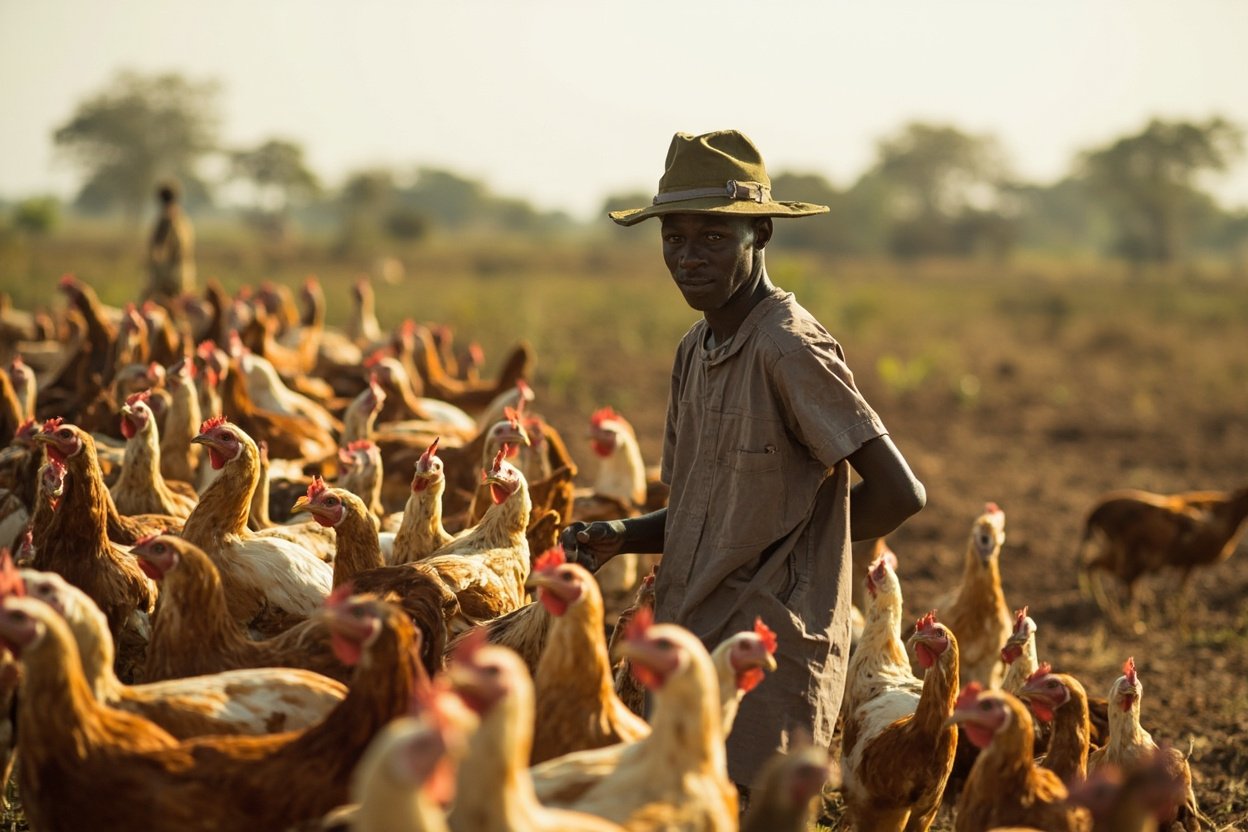
West Africa produces over 4.5 million tonnes of compound feed annually, with Nigeria accounting for the largest share. The sector is growing at 5-8% per year driven by rising protein demand.
The region relies heavily on imported feed ingredients — corn and soymeal from Brazil, Argentina, and the United States. Mycotoxin contamination in these imports is the primary feed quality challenge.
Tropical humid climate across coastal West Africa creates year-round mold and oxidation pressure on stored feed ingredients. Heat stress in poultry operations is a recurring operational challenge.
Rapid urbanization, a growing middle class, and increasing protein consumption are driving investment in commercial poultry and livestock operations across Nigeria, Ghana, and Senegal.
Imported grains carry multi-mycotoxin risk. Aflatoxin B1 is the primary concern across all West African markets.
Heat and humidity accelerate mold growth, oxidation, and nutrient loss across the feed distribution chain.
Currency depreciation and global commodity price swings make feed formulation unpredictable across the region.
Feed conversion ratios in commercial poultry average 1.8-2.2 — significant room for improvement with the right additive programs.
Proven solutions tailored to each market's specific feed challenges.
Commercial poultry is expanding rapidly across Nigeria, Ghana, and Senegal — driven by rising protein demand, urbanization, and a growing middle class seeking affordable animal protein.
From tropical humid coastal zones to semi-arid northern regions — each requiring distinct feed storage and additive strategies to manage moisture and heat stress.
Heavy dependence on Brazilian and Argentine corn and soymeal creates multi-mycotoxin risk. Aflatoxin B1 contamination in imports is the primary feed quality challenge across the region.
Limited access to specialized nutritional consultation makes distributor technical support a critical success factor in West African feed operations.
Ingredient-risk mapping and mycotoxin testing protocols adapted to West Africa's feed ingredient sourcing channels — particularly Brazilian corn and Argentine soymeal import routes.
Stepwise technical workflow — formula review, additive architecture, and in-market validation with clear measurable KPIs for production teams.
Onboarding, dosage guidance by feed matrix, and responsive troubleshooting to maintain performance across sourcing and logistics disruptions.
Broad-spectrum mycotoxin protection across diverse feed ingredient scenarios common in African sourcing.
View ToxyFix →Storage stability protection for feed ingredients and finished feed in variable African climatic conditions.
View VersaMold →Intestinal integrity support for poultry operations facing heat stress and variable feed quality.
View VersaPeg →Gut health, FCR stability, and resilience programs for broiler and layer operations across Africa's diverse climatic zones.
Explore Poultry →Dairy and beef ruminant programs addressing metabolic health, rumen stability, and trace mineral deficiencies across the continent.
Explore Ruminants →Feed quality and growth optimization for Africa's expanding tilapia, catfish, and other key species in Egypt, Nigeria, Ghana, and beyond.
Explore Aquaculture →Build a region-adapted additive roadmap with VeritasVet. We will help your team prioritize risks, optimize feed cost-performance, and deploy practical protocols that hold up in West African operating conditions.