Smart Feeding, Stronger Animals
Problem
Inefficient feed utilization leads to wasted nutrients, higher feed costs per unit of animal product, and suboptimal animal performance across poultry, ruminant, and aquaculture operations.
Why it happens
Traditional feeding approaches rely on fixed formulations without accounting for ingredient variability, digestibility differences, or the animal's actual nutrient requirements at different growth stages.
What to check first
Feed conversion ratio (FCR), ingredient nutrient profiles, digestibility coefficients, and the presence of anti-nutritional factors that limit nutrient absorption.
Understanding Precision Feeding
Precision feeding represents a fundamental shift from traditional feed formulation toward data-driven, phase-specific nutrition programs that align nutrient delivery with animal requirements. Rather than applying a one-size-fits-all approach, precision feeding considers the specific needs of animals based on species, age, weight, production stage, and environmental conditions.
The core principle behind precision feeding is delivering the right nutrient, at the right amount, at the right time. This approach minimizes waste while maximizing the genetic potential of animals. Modern poultry, ruminant, and aquaculture operations increasingly adopt precision feeding technologies to remain competitive and sustainable.
A key component of precision feeding is understanding feed conversion ratio (FCR) as a measurement of efficiency. FCR represents the amount of feed required to produce one unit of animal product. Lower FCR indicates better feed efficiency, meaning animals convert more feed into growth or production with less waste. Improving FCR by even small margins produces significant economic and environmental benefits across large-scale operations.
Feed Optimization Strategies
Effective feed optimization begins with ingredient selection and continues through formulation, processing, and delivery. Each stage presents opportunities to improve nutrient utilization and reduce waste.
High-quality raw materials with consistent nutritional profiles form the foundation of efficient feed programs. When ingredient composition varies widely, even precise formulations fail to deliver expected results. Establishing supplier relationships and implementing incoming material testing ensures consistent base quality.
Feed processing techniques such as pelleting, extrusion, and steam conditioning improve nutrient digestibility and reduce wastage. Pelleted feeds eliminate selective feeding behavior where animals pick out preferred ingredients and waste the rest. Heat treatment during processing also reduces anti-nutritional factors that interfere with digestion and nutrient absorption.
Using functional feed additives enhances feed efficiency. Emulsifiers like VersaPeg improve fat digestion and energy utilization, particularly in young animals where bile salt production is limited. This leads to better feed conversion and more uniform animal growth across the population.
Improving Feed Conversion Ratio
FCR improvement requires addressing multiple factors that influence nutrient utilization. Gut health directly impacts digestion and absorption efficiency, making intestinal integrity a primary target for nutritional interventions.
Organic acids and essential oil blends support beneficial gut microbiota while suppressing pathogenic bacteria. This competitive exclusion creates a healthier intestinal environment where nutrients are digested and absorbed more completely. Animals with improved gut health show better feed efficiency, more uniform growth, and stronger immune responses.
Enzyme supplementation unlocks nutrients bound in feed ingredients. Phytase enzymes release phosphorus from phytic acid, while proteases, amylases, and lipases improve protein, starch, and fat digestion respectively. Multi-enzyme products address the complex substrate profiles found in typical feed formulations and help animals extract more energy and amino acids from conventional ingredients.
Mycotoxin contamination represents a significant but often overlooked factor affecting FCR. Even subclinical mycotoxin levels reduce feed intake, damage intestinal cells, and impair nutrient metabolism. Including a proven mycotoxin binder like ToxyFix in feed formulations protects animal performance by preventing toxin-induced growth depression and feed refusal.
Technology in Animal Nutrition
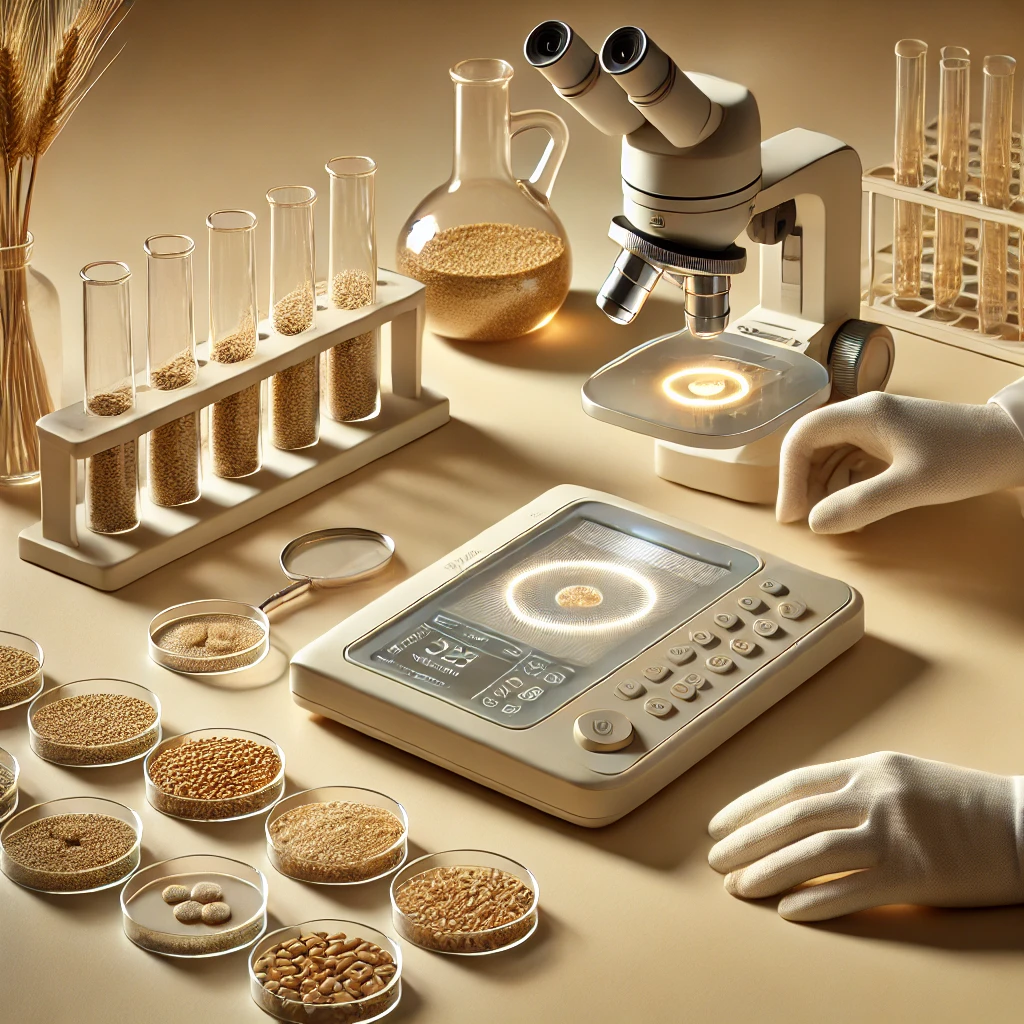
Digital tools and sensor technologies are transforming how nutritionists manage feed programs. Near-infrared reflectance (NIR) spectroscopy enables rapid ingredient analysis, allowing real-time formulation adjustments based on actual nutrient content rather than book values.
Feed intake monitoring systems track individual animal or flock consumption patterns, identifying animals that deviate from expected performance. Early detection of reduced feed intake enables prompt intervention before minor issues escalate into significant production losses.
Automated feeding systems deliver precise quantities at programmed intervals, reducing feed waste from overfeeding and ensuring consistent nutrient供应 across all animals. These systems are particularly valuable in poultry and aquaculture operations where uniform feed distribution directly impacts product quality and uniformity.
Data analytics platforms integrate information from multiple sources including feed formulation software, production records, and health monitoring systems. This holistic approach enables nutritionists to identify relationships between dietary factors and animal performance, supporting continuous improvement of feeding programs.
Species-Specific Considerations
Each species presents unique nutritional challenges requiring tailored feeding approaches. Poultry have high metabolic rates and short production cycles, making precise nutrient delivery particularly important for broiler growth and layer productivity. Young chicks require highly digestible feeds with adequate energy density to support rapid tissue development.
Ruminants present distinct challenges because of their complex digestive system. Rumen microorganisms ferment fibrous feeds, producing volatile fatty acids that serve as the primary energy source. Balancing rations for rumen pH, microbial protein synthesis, and escape protein requires understanding the interactions between dietary components and rumen fermentation patterns.
Aquaculture species often have high protein requirements, making feed protein efficiency critical for both economic and environmental reasons. Fish and shrimp feeds must provide essential amino acids in digestible forms while minimizing nutrient losses to the water column. Water stability of extruded pellets affects feed conversion by controlling how much feed dissolves before consumption.
Practical Checklist
- Analyze raw material nutrient content using NIR or laboratory methods before formulation
- Review feed formulation at least monthly to account for ingredient variability
- Include emulsifiers such as VersaPeg to improve fat and energy utilization
- Use enzymes targeting specific anti-nutritional factors in your ingredients
- Add mycotoxin binders to protect performance and feed intake
- Monitor FCR trends and investigate deviations promptly
- Evaluate pellet quality and adjust processing parameters if needed
- Consider species-specific feed additives such as butyric acid derivatives like ButyCal-CCB94 for gut integrity support
Nutritional Approach
A smart feeding strategy integrates precision formulation, functional additives, and continuous monitoring to maximize nutrient utilization. Rather than simply increasing nutrient density, the focus is on ensuring each ingredient delivers its full nutritional potential. Phase feeding programs that adjust nutrient levels across production stages prevent both deficiencies and excesses. Functional additives including emulsifiers, enzymes, organic acids, and mycotoxin binders work together to overcome digestive limitations and environmental challenges. Regular performance tracking against established benchmarks identifies areas for further improvement and validates the effectiveness of nutritional interventions.